


The latest industry news is all here.
📦 What is Product Traceability Code? Why It Matters in Modern Manufacturing
Time of issue:
Jul 03,2026
In today’s global manufacturing environment, product traceability has become a critical requirement for food safety, pharmaceutical compliance, logistics management, and brand protection.
A traceability code (product tracking code) is a unique identifier printed on packaging or labels, allowing each product to be tracked throughout its entire supply chain—from production to distribution and final consumption.
These codes are commonly presented in the form of:
- QR codes
- Barcodes
- Batch numbers
- Expiry dates
- Serial numbers

🏭 Why Product Traceability is Important
Modern industries rely on traceability systems to ensure:
✔ Food safety control and recall management
✔ Pharmaceutical anti-counterfeiting compliance
✔ Logistics tracking and warehouse efficiency
✔ Brand protection against fake products
✔ Regulatory compliance in global markets
Without reliable coding and labeling, manufacturers face risks such as product recalls, quality disputes, and loss of consumer trust.
🔧 How Traceability Codes Are Printed
To implement a traceability system, manufacturers typically use industrial coding and labeling technologies, such as:
1. Thermal Transfer Overprinting (TTO)
Suitable for flexible packaging films, such as:
- Snack food packaging
- Pharmaceutical blister packs
- Daily chemical sachets
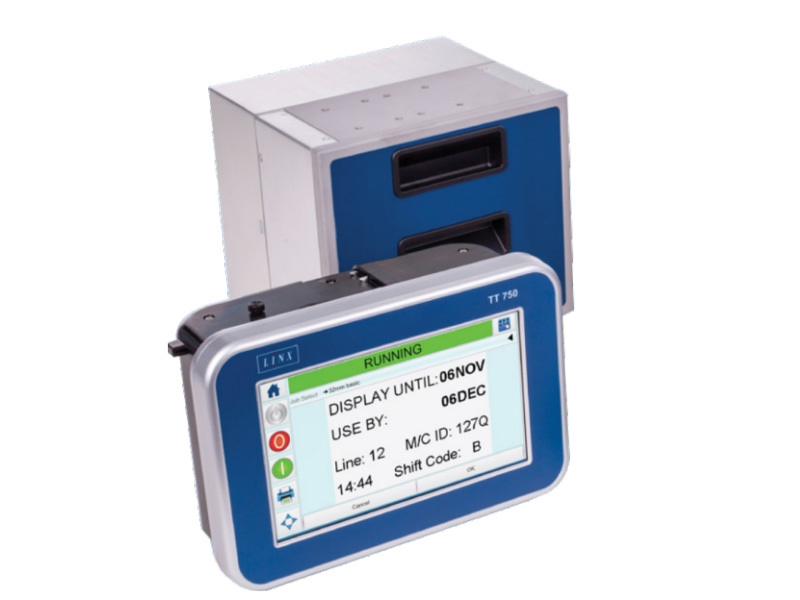
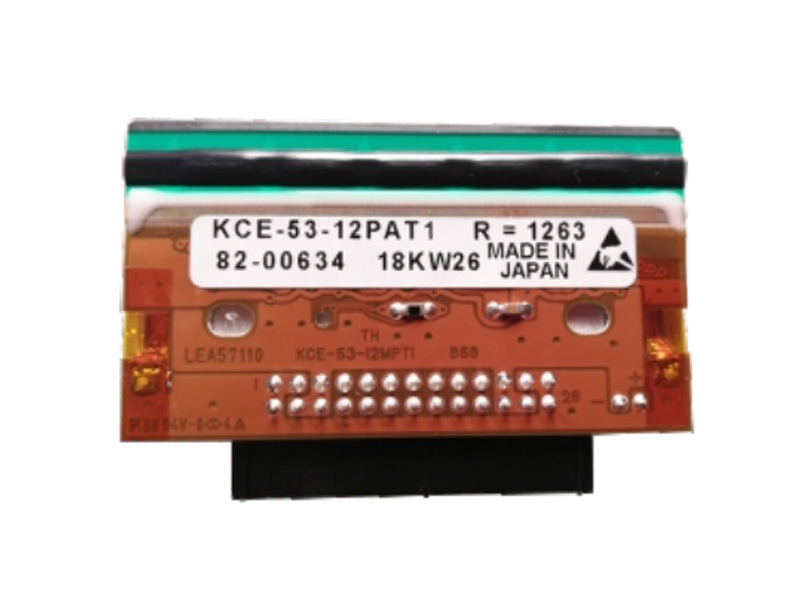
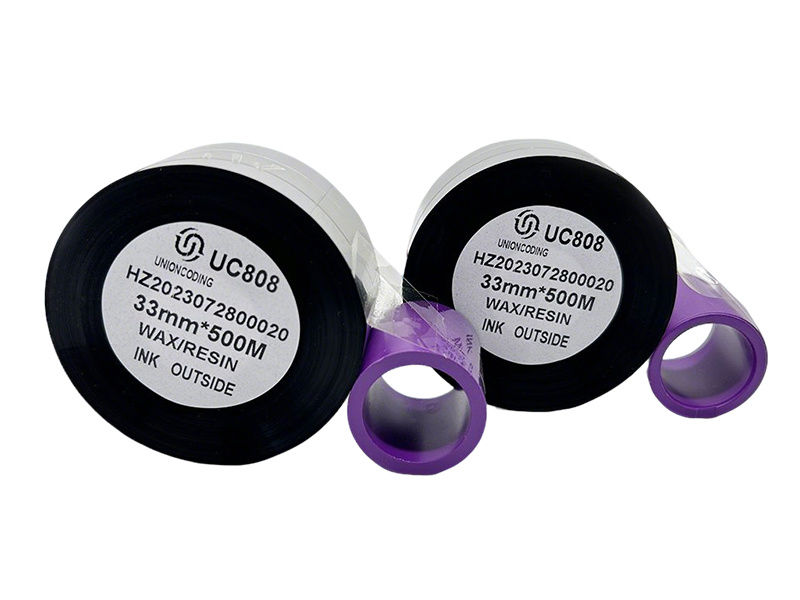
TTO technology delivers high-resolution, durable printing directly on packaging films, including batch numbers, expiry dates, and QR codes.
2. Inkjet Coding Systems (CIJ)
Used for high-speed production lines, such as:
- Bottles
- Cans
- Cartons
3. Label Printing Solutions
For products that require external identification, manufacturers can use custom self-adhesive labels (pressure-sensitive labels) with pre-printed or variable data.

TAG:
Recommend


Sales Hotline:
Henan Union Coding Tech Co., Ltd. is a manufacturer for TTO ribbon, TTR ribbon, Coding foil, Hot ink roller, Label paper,Coding machine,TTO Intelligent Printer and Laser printer.


